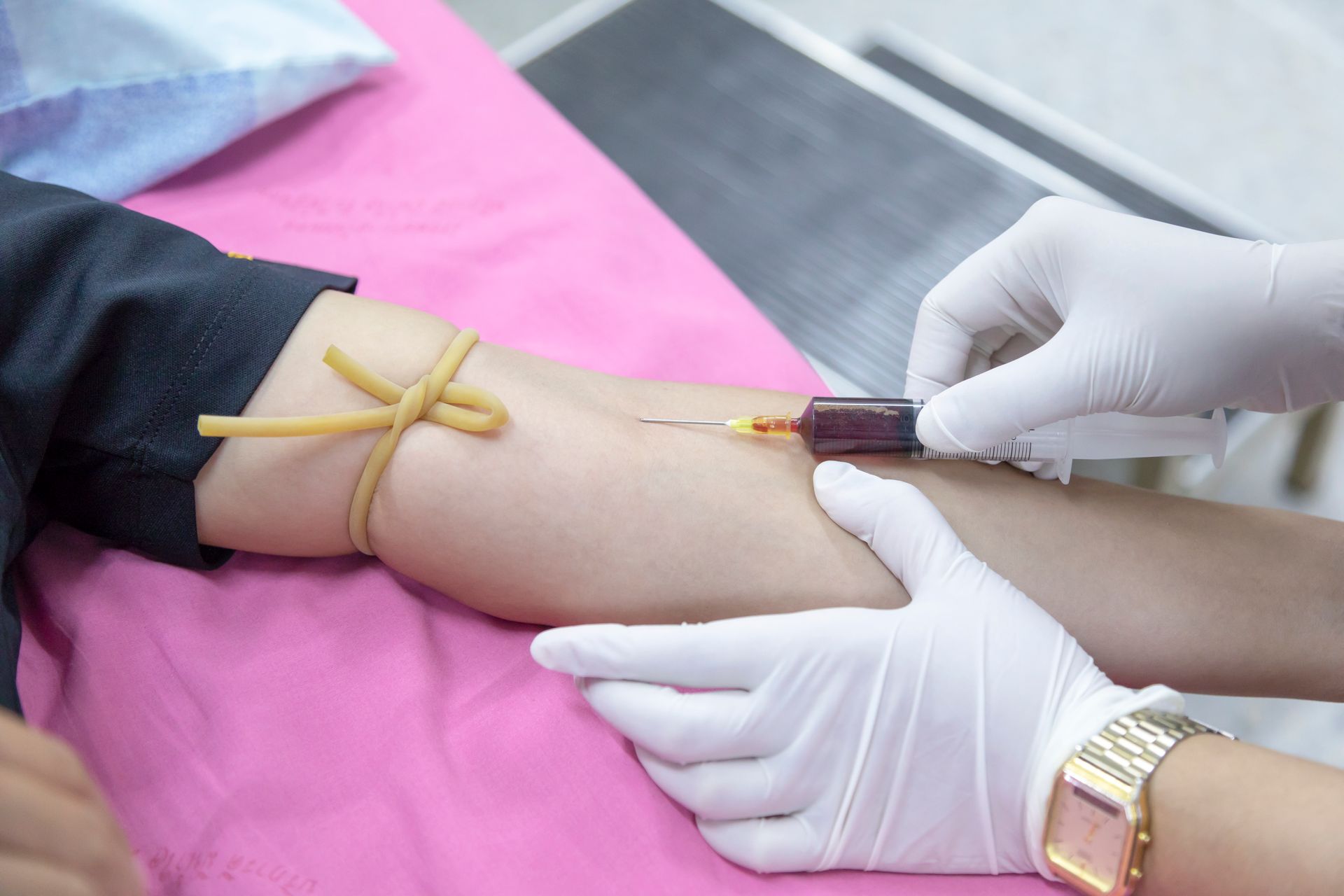
The Lifeline in Your Veins: Why Giving Blood Changes Everything for Someone Else and Your Own Body
We don't often think about our blood until we see it. It runs quietly beneath our skin, an invisible river keeping us upright, focused, and alive. But somewhere right now, someone is watching a digital monitor blink in a quiet hospital room, waiting for that exact same fluid to save their life.
For people navigating a medical emergency, a severe chronic illness, or a high-risk surgery, blood isn't just a biological necessity. It is time. It is another birthday, another morning cup of coffee, another chance to say "I love you."
At Hemotique, we see the profound intersection between the people who have blood to spare and the people who are desperately looking for it. When you pull up your sleeve, you aren't just participating in a medical procedure; you are making a conscious decision to extend someone else’s daily life.
Surprisingly, this act of pure altruism isn't a one-way street. Modern vascular science reveals that giving blood does something incredible inside your own body, too—literally reshaping your blood flow and giving your cardiovascular system a healthy reset.
The Silent Desperation: What It Means to Be Looking for Blood
To understand why blood donation matters, we have to look through the eyes of the recipient. When a patient or a terrified family member searches for compatible blood types, they are often facing a sudden, jarring pause in their daily routine.
Blood cannot be manufactured in a laboratory. It cannot be synthetically engineered or grown on demand. Every single drop of blood utilized in hospitals comes from a human being who chose to give it away.
1. Surgeries and Unexpected Trauma
No one plans to be in a severe car accident or face a sudden hemorrhagic complication during childbirth. In major trauma situations, a single patient can require up to 100 pints of blood in a matter of hours. When a hospital's inventory runs low, surgeons face impossible choices. Your donation ensures that when an ambulance arrives at the emergency bay, the trauma team has the tools they need to fight for that person's survival.
2. The Invisible Battle of Chronic Illness
Many recipients aren’t in the emergency room; they are regular people trying to maintain a normal daily life while battling conditions like sickle cell anemia, severe thalassemia, or various forms of cancer. Cancer treatments, particularly chemotherapy, frequently destroy a patient's bone marrow, halting their body's ability to produce new platelets and red blood cells. For these individuals, a regular blood transfusion is the only thing that gives them the physical energy to hug their kids, walk through the park, or return to work.
The Hidden Science: How Donating Blood Improves Your Own Blood Flow
While the emotional and ethical reasons to donate are clear, the physical benefits to the donor are frequently overlooked. Many people ask: "If I give away a pint of blood, won't that make me weaker?"
In the short term, your body quickly replaces the fluid volume within 24 to 48 hours. But in the long term, the removal of that pint acts like an oil change for your cardiovascular system. It directly improves your blood flow index and reduces dynamic strain on your blood vessels. Here is exactly how that works:
Reducing Blood Viscosity (The "Thick Blood" Problem)
Your blood thickness—scientifically known as viscosity—is heavily influenced by the concentration of red blood cells and iron in your system. When iron levels are consistently high, or when blood becomes overly viscous, it behaves less like a smooth, free-flowing liquid and more like molasses. Thick blood creates friction against the endothelial lining (the inner walls) of your blood vessels.
The Physics of Flow: High blood viscosity forces your heart to pump harder to push blood through microscopic capillaries. This chronic friction can damage vessel walls over time, accelerating the buildup of arterial plaque and increasing the risk of blood clots, heart attacks, and strokes.
When you donate blood at a center like Hemotique, you immediately reduce the overall thickness of your blood. Your body is forced to pull water into your vascular system to restore volume, instantly thinning the fluid. Within the weeks following your donation, your bone marrow compensates by generating brand-new, highly flexible red blood cells. These fresh cells are more malleable, meaning they can navigate tight capillary networks with much less resistance, drastically improving systemic oxygen delivery and overall blood flow.
Balancing Iron Levels
Iron is a vital component of hemoglobin, the protein that carries oxygen. However, the human body has no natural mechanism to excrete excess iron, other than through blood loss. Over time, iron can build up to unhealthy levels, oxidizing in the bloodstream and damaging cardiovascular tissues. By donating blood regularly, you safely eliminate excess iron, protecting your blood vessels from oxidative stress and keeping them elastic and healthy.
Integrating Blood Donation into Daily Life: Changing the Narrative
Too often, blood donation is treated as something we only do during national disasters or major public health crises. But human beings require transfusions every two seconds. The need is entirely continuous.ingle Whole Blood Do
At Hemotique, we want to shift how people view this process. It shouldn't be an extraordinary chore; it can simply be a routine part of your wellness schedule.
A Checkup in Disguise: Every time you donate, you receive a mini-physical. We check your pulse, blood pressure, and hemoglobin levels. It is a great way to keep a consistent pulse on your foundational health metrics.
The Psychological Safe Haven: There is an undeniable mental health boost associated with altruism. Knowing that an hour of your afternoon directly saved up to three separate lives provides an emotional grounding effect that reduces stress—which, incidentally, also lowers your blood pressure and improves your vascular health.
How Hemotique Bridges the Gap
If you are looking for blood, or if you are ready to ensure that someone else doesn't have to look in vain, your journey starts with a simple decision. Hemotique is dedicated to making the donation ecosystem highly transparent, perfectly safe, and incredibly efficient.
Your blood is an incredibly powerful asset. It can heal a stranger, comfort a desperate family, and revitalize your own heart all at the same time.
Related Articles
The Lifeline in Your Veins: Why Giving Blood Changes Everything for Someone Else and Your Own Body
We don't often think about our blood until we see it. It runs quietly beneath our skin, an invisible river keeping us upright, focused, and alive. But somewhere...
How to Use Hemotique Blood Donation: A Complete Guide for Clients
Introduction Hemotique Blood Bank is designed to make blood donation, blood requests, emergency support, and communication easier for everyone. Whether you are...